Summer Sunscreen Guide: Dermatologist Explains SPF & PA, Suitable for Oily Acne-Prone Skin and Rosacea
In a North American summer, sun protection is key to basic skincare. High temperatures, humidity, UV rays, and heavy sweating can easily lead to tanning, redness, breakouts, and even flare-ups of rosacea.
🔸 Core Summer Sunscreen Concepts
- For intense outdoor activities, choose an SPF 50, PA++++ sunscreen
- When reapplying sunscreen in summer, the key difference lies in the amount you sweat
- Summer eczema, acne, and rosacea are linked to sun protection
- Clarify cleansing after using oil-control and sweat-resistant products
- Summer sunscreen FAQ
🔸 Outdoor Sports Sunscreen Guide: Choosing SPF and High PA Protection
Outdoor sports are in full swing. For prolonged or high-intensity outdoor activities, choosing the right sunscreen is vital. Dr. Jiang recommends: for UVB protection, look at the SPF factor; for UVA, pay attention to the number of PA "+" signs.
For high-intensity, long exposure, go for SPF 50+ and PA++++

. For daily commuting, SPF 30-50 with PA+++ to PA++++ is sufficient.
🔸 If You Sweat a Lot: Reapplying Based on Sweat Amount
UV protection is a must all year round. The difference with summer reapplication is the increased sweating, oiliness, and friction, which can cause sun protection to wear off. This is especially noticeable in Taiwan's climate (Editor's note: This advice considers Taiwan's humid, hot weather).
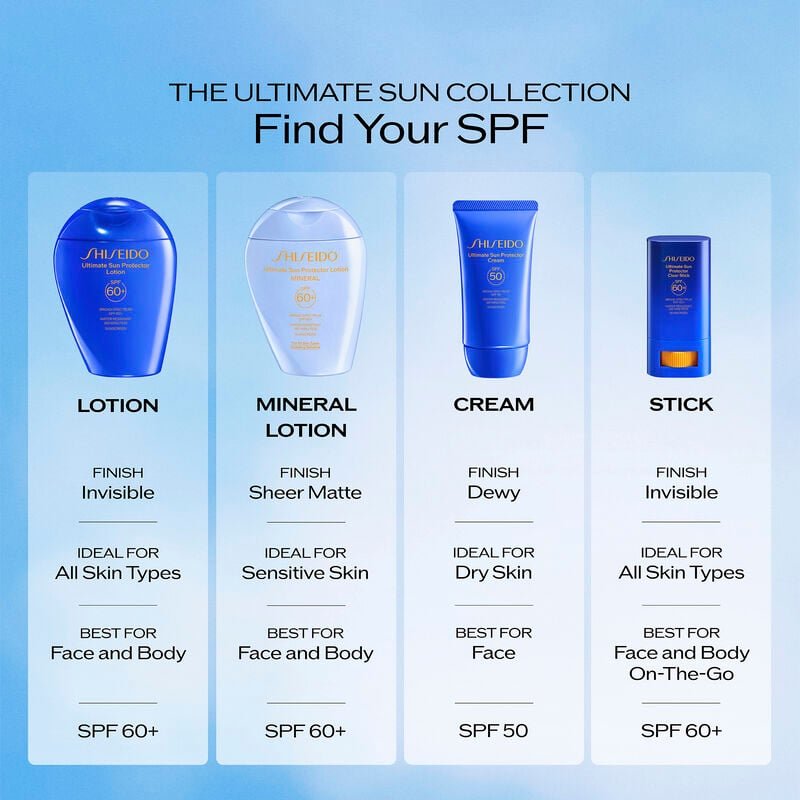
For extended outdoor activities, reapply every 3-4 hours. For indoor activities, one application in the morning is enough. Increase frequency if you sweat heavily, wipe it off, or spend long periods near windows or outdoors.
🔸 Summer Skin Concerns: Eczema, Acne, Rosacea, and Sunscreen
Sunscreen is the foundation for reducing oiliness, sensitivity, and breakouts. Summer heat and humidity can destabilize the skin barrier, triggering eczema, worsening acne, and causing rosacea to flare up. High UV exposure is a common trigger for rosacea and sensitive skin.
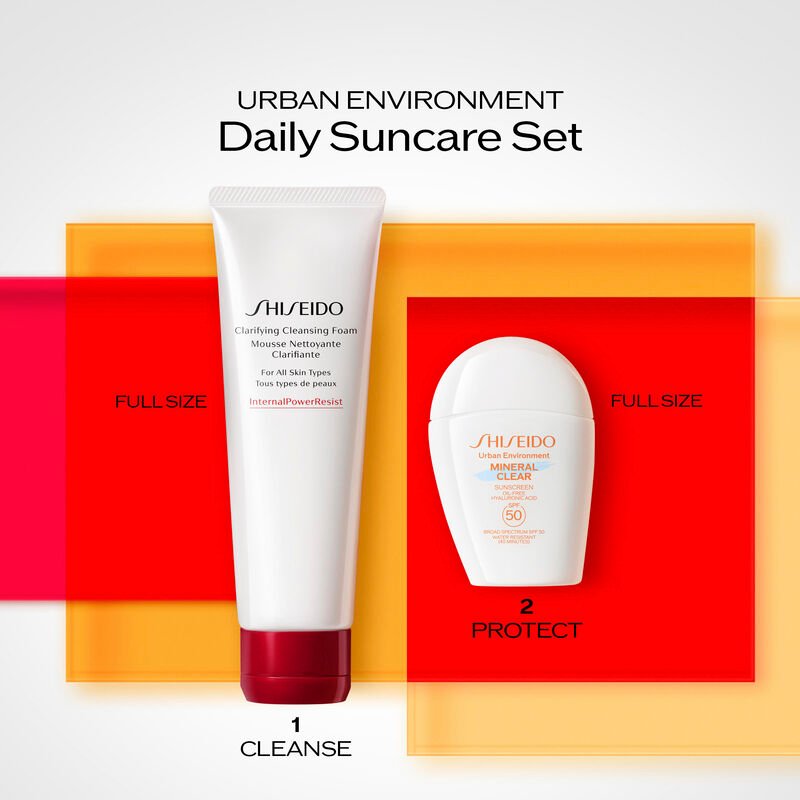
For summer skincare beyond sunscreen, avoid over-cleansing and heavy makeup, and focus on soothing and repairing.
🔸 Deep Cleanse After Using Oil-Control and Sweat-Resistant Products: The Role of Makeup Removal
Oil-control, sweat-resistant, and waterproof products have mature technologies. They regulate sebum production and improve adhesion to reduce makeup from slipping or feeling sticky.

Heads up: After using waterproof, sweat-resistant, or high-durability sunscreen, you need a more thorough clean when you get home. It's recommended to add a makeup removal step. Choose a gentle product based on your skin type to avoid residue that may cause clogged pores or breakouts.
🔸 Summer Sunscreen FAQ
❓ Q1: How much sunscreen should you apply at once? Should your face and neck be calculated separately?
💡 A: To achieve the claimed protection, the amount used is key. For your face, about two finger-length lines; including the neck, behind the ears, and collarbone requires more. In summer, if you wear makeup, don't rely solely on SPF in foundation. First apply enough sunscreen, then a primer or foundation, to ensure full protection.
❓ Q2: If I have oily, acne-prone skin, will sunscreen cause more breakouts in summer? How should I choose?
💡 A: In summer, those with oily, acne-prone skin should opt for lightweight, non-comedogenic, oil-control, or water-based products, avoiding heavy, oily films. If you use waterproof, sweat-resistant sunscreen, make sure to thoroughly remove it. Otherwise, stuck-on filters, sebum, and sweat can increase the risk of breakouts.
❓ Q3: Can people with sensitive skin or rosacea use high SPF sunscreen in summer?
💡 A: People with sensitive skin or rosacea *can* use high SPF, but the key is how gentle the formula is. Summer heat and UV can trigger rosacea flare-ups, so daytime sun protection is even more important. Stick to low-irritation, fragrance-free formulas. Test it on a small area first and stop using it immediately if it bothers you.
❓ Q4: Do I need to wash my face or remove makeup before reapplying sunscreen? How can I reapply naturally over makeup?
💡 A: You don't have to wash your face to reapply during the day, but it's a good idea to gently blot away sweat and shine with a tissue. Then, use sunscreen lotion, sun sticks, cushion compacts, or spray for a touch-up. Cushion compacts or powder foundations work well for targeted over-makeup touch-ups; for heavy sweating outdoors, choose a sweat-resistant type and increase frequency.
❓ Q5: Is it okay to use waterproof, sweat-resistant sunscreen every day? Would it overburden the skin?
💡 A: Waterproof, sweat-resistant sunscreens are best for sports, long exposure, or if you sweat a lot. You probably don't need it for daily indoor office work. Since these sunscreens cling more strongly, you should add a makeup removal step when washing up, followed by a gentle cleanser. This helps avoid leftover products that could lead to clogged pores, whiteheads, or breakouts.