
Seasonal Hydrating Mask Selection Guide
As fall and winter transition, skin easily becomes dry, prone to breakouts, and shows fine lines. Beyond adjusting daily skincare routines, many people rely on face masks for deep hydration. But how do you choose a mask? What are the differences in ingredients? Dr. Song Feng-yi, a dermatologist and standing director of the senior aesthetic medicine association, shares the correct approach to seasonal face masks.
🔸 When choosing seasonal face masks, pay attention to "skin tolerance"
Fall and winter skin easily becomes dry. Dr. Song emphasizes that understanding your skin condition and tolerance level is the first principle. During seasonal transitions, skin is unstable, and frequently using high-concentration masks may cause irritation. Mask materials reduce moisture evaporation through occlusion, but excessive occlusion may cause irritation. Those with sensitive skin should pay attention to material, formula irritation, and usage time. Discontinue immediately and seek medical attention if discomfort occurs.
🔸 Hydrating masks: hyaluronic acid or vitamin B3 — which ingredient is better?
Mask hydration mechanisms: hyaluronic acid, PCA-Na, and amino acids primarily attract moisture; vitamin B3 (niacinamide) supports the barrier; ceramides reduce moisture loss. Choose combinations based on your needs.
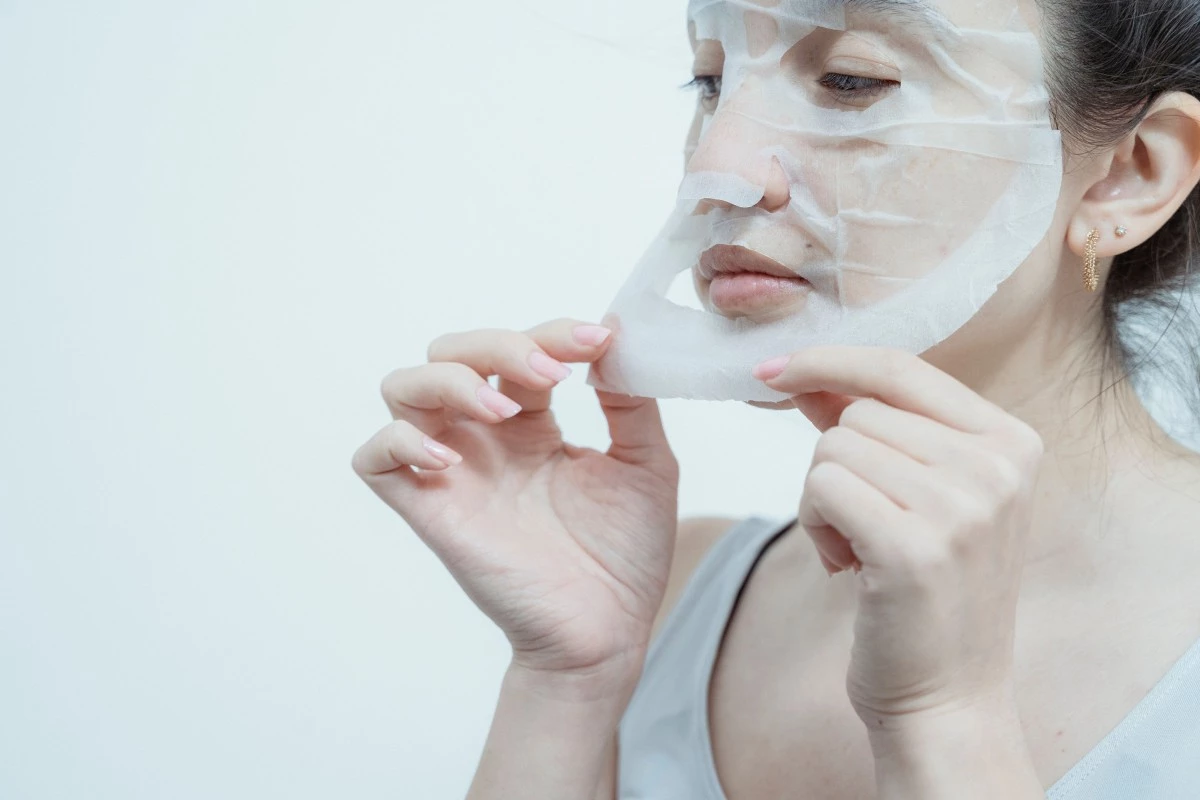
🔸 Do not use off-the-shelf hydrating masks for more than 20 to 25 minutes
Leaving a mask on longer isn't necessarily more effective. A 2022 study showed that using a mask for over 25 minutes increases preservative exposure. Dr. Song recommends not exceeding 20-25 minutes. Dry skin has a fragile barrier. Be sure to follow the product's recommended time and observe skin reactions after use. Maintain health with gentle daily cleansing, moisturizing, and sun protection.
🔸 Common face mask FAQ
Q1: Can I use hydrating masks every day in fall and winter?
A: Not recommended. For stable skin, 1-2 times per week. During sensitive periods, stop using and switch to hydrating lotion/cream.
Q2: Are hydrating masks suitable for oily, acne-prone, or combination skin?
A: Hydration is needed. Choose lightweight, non-irritating masks. If breakouts or redness occur, discontinue and review the formula.
Q3: Do I need to wash my face after using a hydrating mask?
A: Depends on the product and skin condition. If uncomfortable, rinse off. Follow up with lotion/cream.
Q4: Can I use a hydrating mask after applying retinol or fruit acids?
A: Avoid layering immediately. It can easily cause sensitivity. First use a plain cream to repair.
Q5: If skin is dry and stinging, can a mask provide deep hydration?
A: Not suitable. The barrier may be damaged. Simplify skincare. If symptoms persist, seek medical attention immediately.


问大家
: Can people with sensitive skin apply a hydrating mask every day during seasonal transitions? 敏感肌换季能天天敷保湿面膜吗
: Not recommended. Once you're stable, once or twice a week is enough. Pause it during sensitive periods—sticking to lotion and cream is more reliable. 不建议,稳定下来一周一两次就够,敏感期先停,用乳液面霜顶着更稳。
最新评论 2
: Can people with sensitive skin apply a hydrating mask every day during seasonal transitions? 敏感肌换季能天天敷保湿面膜吗
: Not recommended. Once you're stable, once or twice a week is enough. Pause it during sensitive periods—sticking to lotion and cream is more reliable. 不建议,稳定下来一周一两次就够,敏感期先停,用乳液面霜顶着更稳。